Surat is India's largest centre for synthetic and blended fabric weaving. Thousands of looms run across areas such as Sachin, Pandesara, Kadodara and Saroli, and the city's textile markets trade fabric to garment makers across the country. For a garment maker that means wide choice, and wide variation between suppliers.
This guide covers the checks that protect a shirting or women's wear order, from choosing a supplier to inspecting fabric on arrival.
Buy from the mill, not only the market
Many sellers in Surat's textile markets are traders who source from several weavers. That works well for small lots, one-off buys and stock fabric. For repeat orders of one shirting or dress-material quality, you want to deal with the mill that runs the looms.
A mill controls the yarn, the construction and the dispatch date. If something goes wrong, the people who can fix it are on the same floor. A trader can only pass on what they are told, and the next lot may come from a different weaver with slightly different settings.
Ask directly: how many looms do you run, and are they your own or job-work? Which loom type will my quality run on? Can I visit the loom floor? A mill that weaves on its own looms will answer easily.
Know what you are buying
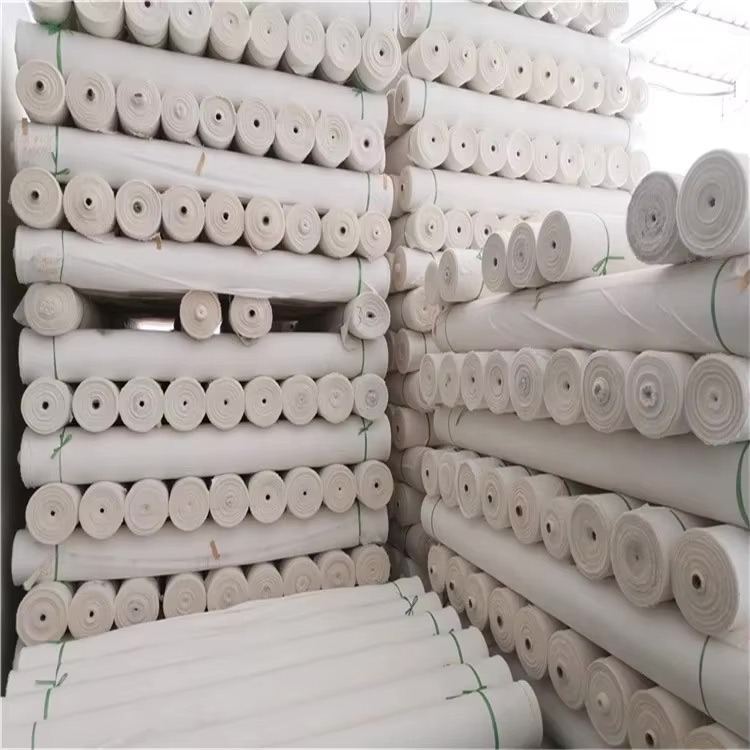
Greige, also called grey fabric, is cloth straight off the loom. It has not been bleached, dyed, printed or finished. You buy greige and send it to a processor, who dyes or prints it to your shade. This gives you control over colour and lets one greige lot become several colourways.
Because greige is unfinished, its width, weight and hand feel will change during processing. Your supplier and your processor need to agree on what the finished fabric should be, not just the greige.
Fix the specification in writing
Before you confirm an order, agree on the following and put them on the purchase order or a spec sheet: composition (for example 15% nylon · 85% viscose), weave (plain, poplin, dobby, matty), GSM, greige width and expected finished width, roll length, packing, and the acceptable number of faults per 100 metres.
If you work at a technical level, add reed, pick and yarn counts. If you do not, ask the mill to state them on the sample card so the next lot can be woven to the same construction.
A written spec sheet prevents most disputes. When the fabric arrives, you check it against the document, not against memory.
Approve a sample, then a dyed length
Approve the greige sample first. Check it by hand and, if possible, measure GSM and width yourself. Then send a short length to your processor and have it dyed or printed in your real shade.
Viscose blends in particular can look and feel different after processing. Shrinkage, surface texture and shade depth all change. A dyed trial shows you what your customer will actually receive, and it is worth the extra week.
Plan around MOQ and loom time
Most Surat mills quote a minimum order quantity per pattern. Ask what the MOQ is, how long your lot will take to weave, and whether the mill can hold the same quality for your repeat order next season.
Loom time is the real constraint. Before festive and wedding seasons, and ahead of summer ranges, loom schedules fill up. If you know you will repeat a fabric, tell the mill early.
Payment, dispatch and paperwork
Confirm payment terms, GST invoicing and the transporter before the lot is ready. Ask for the lot number, roll count and metres per roll on the invoice or packing list. This makes it easy to trace any issue back to a specific roll.
Inspect on arrival
Check a sample of rolls against the approved sample and the spec sheet: width at several points, GSM, weave faults such as missing picks or broken ends, and consistency from roll to roll. Mark any faulty rolls and photograph the faults.
Report problems before cutting. Once fabric is cut, claims are hard to settle because it is no longer clear whether the fault came from the loom, the processor or the cutting table.
Build a relationship, not a transaction
The best results come from working with the same mill season after season. The mill learns your standards, your processor learns the fabric, and repeat lots match the first. Share your forecast when you can; it helps the mill plan loom time for you.
Common mistakes to avoid
Ordering on price alone is the most common mistake. A lower greige price can mean a lighter construction, lower pick density or a supplier who mixes lots from several workshops, and the difference often appears only after dyeing. Other mistakes include confirming on a photo rather than a physical sample, not stating finished width, and leaving the repeat order to the last minute when looms are fully booked.
Communicate clearly and early
Most sourcing problems start with an unclear brief. Share the garment type, target market, price point, shade card and delivery window in your first message. Send a physical reference fabric if you have one. The more a mill knows about the end garment, the better it can advise on construction, and the fewer samples you will need before approval. Keep all confirmations in writing, even if they start on a phone call.
Working with GK Weaves
We weave greige for shirting, women's wear, suiting and furnishing on 300 of our own looms in Saroli, Surat: 180 water-jet and 120 air-jet. Every lot is checked on inspection machines before dispatch, and we dispatch across India through established transporters. If you are developing a new shirt or women's wear range, send us the reference and quantity on WhatsApp.